
OPPOSING PROJECTS BEFORE CLAIMING CREDIT FOR THEM
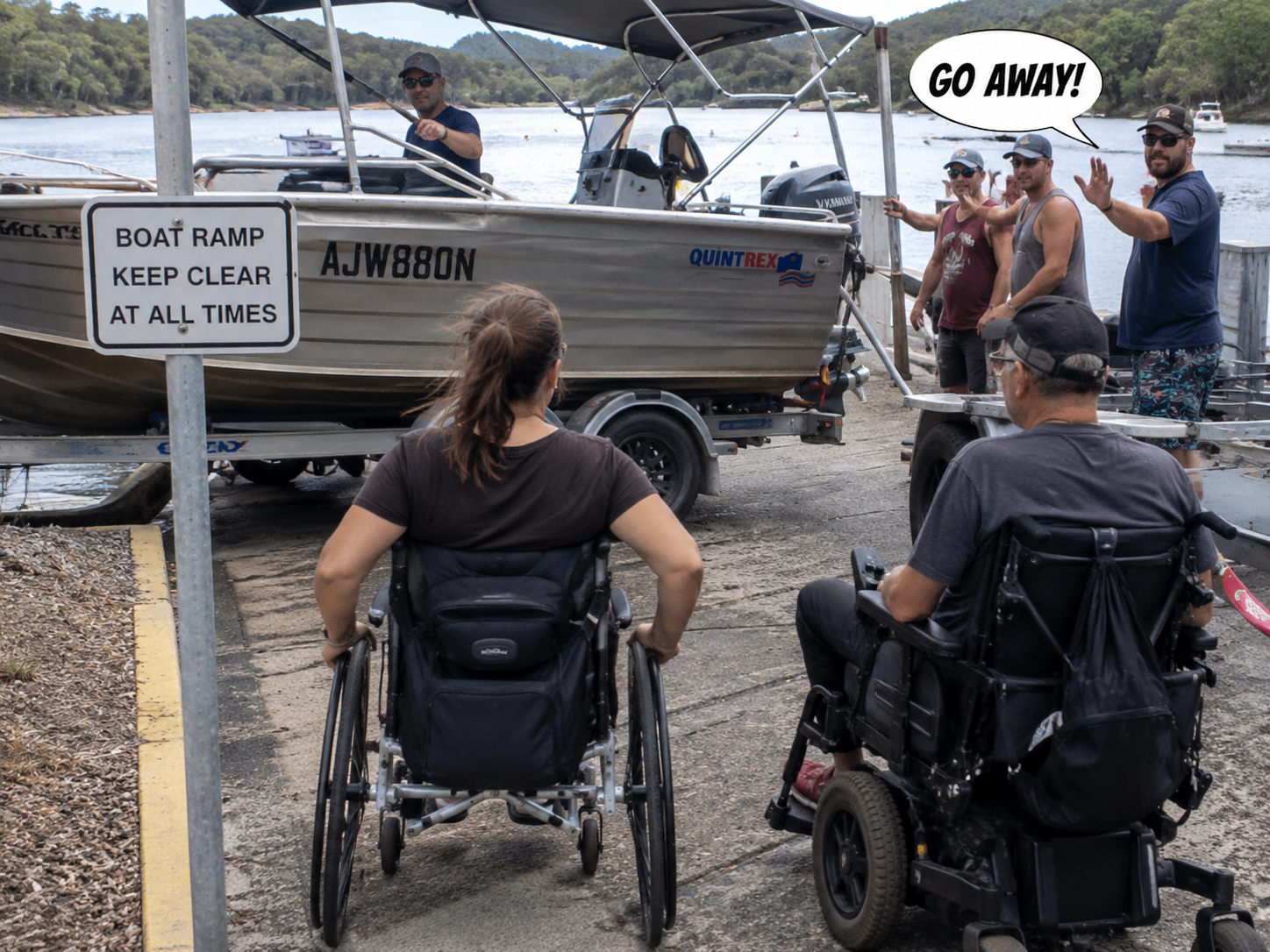
In a remarkable feat of political gymnastics, a Noosa councillor has proudly celebrated the opening of a new Changing Places disability facility - despite previously voting against the very River foreshore plan that made the project possible. Continuously questioning why footpaths near boat ramp had to be wider for wheelchairs.
The glowing social media post praised “real inclusion,” “dignity,” and accessible infrastructure, while somehow omitting one awkward detail: this same councillor opposed the broader River Foreshore Plan that included the disability-access upgrades required to deliver it. That original plan didn’t just include a toilet. It included wider disability-compliant pathways, safer access corridors, and improved movement for wheelchair users and mobility-impaired residents near the boat ramp precinct.
And she voted against it.
At the time, residents pushing for accessibility upgrades were told preserving parking layouts and boating convenience mattered more than redesigning the foreshore for broader public access. Disability advocates argued the existing narrow paths and congested riverfront excluded many residents entirely. But now that the facility is built and politically safe to celebrate, suddenly the language of inclusion has become fashionable. Local observers described the performance as “a masterclass in self-serving politics.”
“Apparently the new strategy is to oppose the infrastructure, oppose the wider footpaths, oppose the access upgrades - then arrive later for the Facebook applause once someone else gets it delivered.” Critics say the post attempts to isolate the Changing Places facility from the larger planning framework because acknowledging the truth would also mean acknowledging that the River Foreshore Plan was right all along.
Without the integrated redesign - including wider compliant pathways - the facility would have made little practical sense. Accessible toilets connected to inaccessible public space is not inclusion. It’s political marketing.
Residents also noted the irony of invoking “real inclusion” after siding with a vocal anti-change minority largely focused on protecting boating access, trailer parking, and fishing convenience over long-term accessibility outcomes for the wider community. One local summed it up bluntly:
“People with disabilities needed wider paths and proper access. But apparently making anglers walk a few extra metres was treated as the greater injustice.” Political analysts say the episode reflects a growing trend in local government:
Vote against strategic infrastructure.
Let others endure the backlash while projects proceed.
Return later for the ribbon cutting and Facebook photos.
At press time, unconfirmed reports suggested several councillors were considering voting against future hospitals, parks, and evacuation routes in the hope they too could later celebrate delivering them.